

 fechas del festival de 2026: 22 de Febrero hasta 1 de Marzo
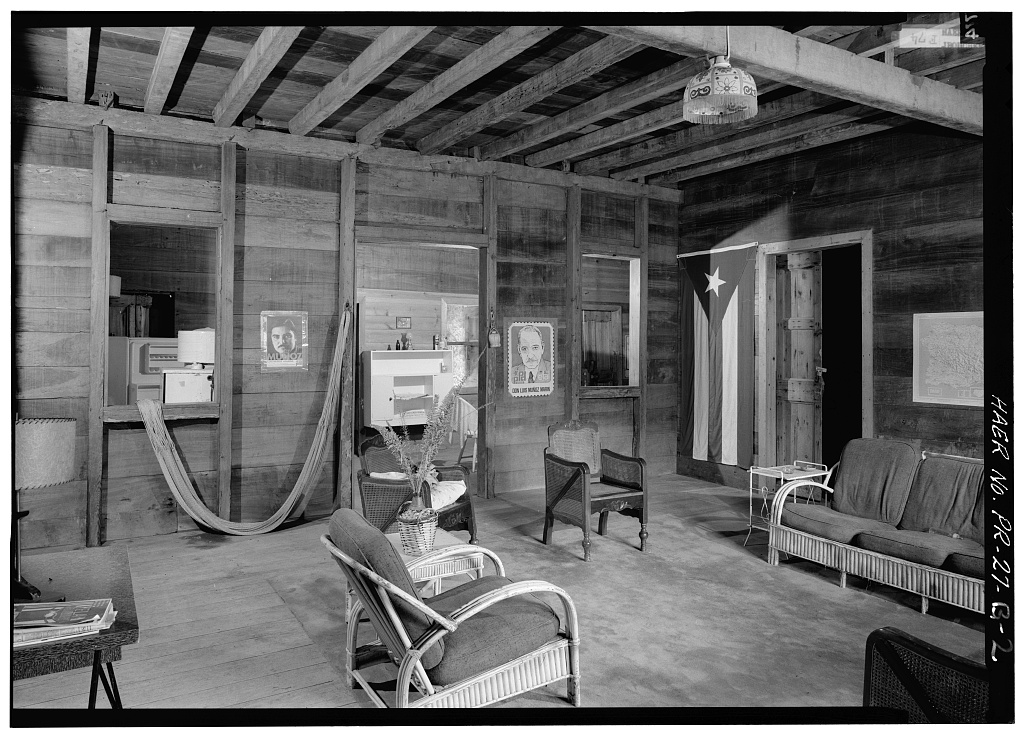
Coffee cultivation in the Yauco region dates back to the 18th century, driven by a mountainous environment with altitude, regular rainfall, and fertile soils that favored coffee trees. Over time, Yauco assumed a central role in the Puerto Rican coffee industry, to the point of earning the nickname “Pueblo del Café” (Coffee Town). After the Royal Decree of Grace of 1815, the area experienced an agricultural boom that included coffee among its main crops.
In the second half of the 19th century, the arrival of immigrants from Europe, particularly Corsicans, brought capital, agricultural knowledge, and export links that boosted the production and reputation of Yauco coffee. This combination of factors allowed local coffee to reach international markets, coveted for its quality. However, the industry also faced challenges such as global competition, losses after hurricanes, and a gradual reduction in export volume.
One aspect that is often underestimated is the contribution of migrant workers and day laborers who participated in harvesting, processing, and farm work.
During the coffee boom, farms at higher altitudes needed a large workforce, which led to workers from coastal areas and other regions temporarily moving to Yauco for the harvest. In more recent times, federal programs such as the H-2A visa program have allowed seasonal agricultural workers from countries such as Colombia, Guatemala, and Mexico to come to Puerto Rico to support the harvest.
Today, although Yauco’s coffee industry does not maintain the volume of former times, a living tradition persists thanks to micro-lot farms, agricultural tourism, and the symbolic value of coffee as part of the local identity.
This heritage is recognized not only as an economic activity but also as a cultural legacy that defines the municipality and its mountainous landscape.